How Hard Is the Everest Base Camp Trek? Honest Difficulty and Fitness Guide

Everest Base Camp (EBC) sounds like the sort of place you need a heroic beard, calves made of rope, and a suspiciously intense relationship with protein powder to reach.
You don’t. But you do need to take it seriously. If you’re searching how hard is Everest Base Camp trek, the honest answer is this: the EBC trek is hard, but it is not a technical climb. It is a long, high-altitude trek where ordinary, fit people can do very unordinary things, provided they train, pace themselves, and don’t treat altitude like a minor inconvenience.
This guide gives you the straight version: difficulty rating, daily distance and altitude, how fit you need to be for EBC, how it compares with other treks, who should pause before booking, and what training actually helps.
---
How Hard Is Everest Base Camp Trek? The Honest Answer
Ask ten people who have trekked to Everest Base Camp how hard it was, and you will get ten different answers. All of them can be true, for different reasons.
Everest Base Camp is about 7/10 hard for most active people.
Not 10/10. You’re not climbing Everest, swinging across crevasses, or doing anything that needs ropes, crampons, or technical mountaineering skills on the classic trek.
Also not 4/10. This is not a jolly little hill walk with extra prayer flags.
The classic Everest Base Camp trek is difficult because it stacks several manageable challenges on top of each other:
- Around 130 km of trekking in total
- Many days of 5 to 8 hours on foot
- Sleeping above 3,000 m for much of the route
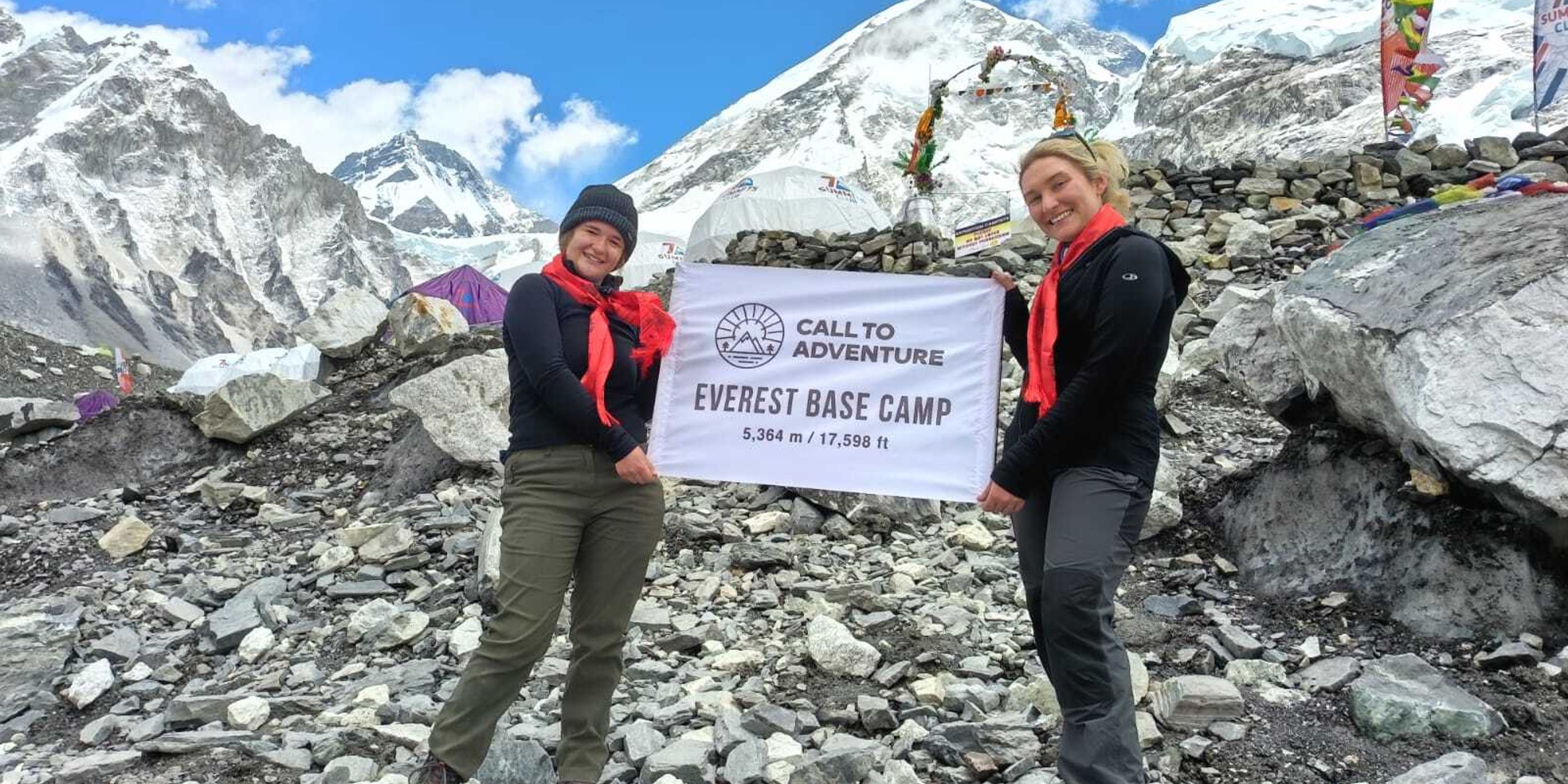
- Reaching Everest Base Camp at about 5,364 m
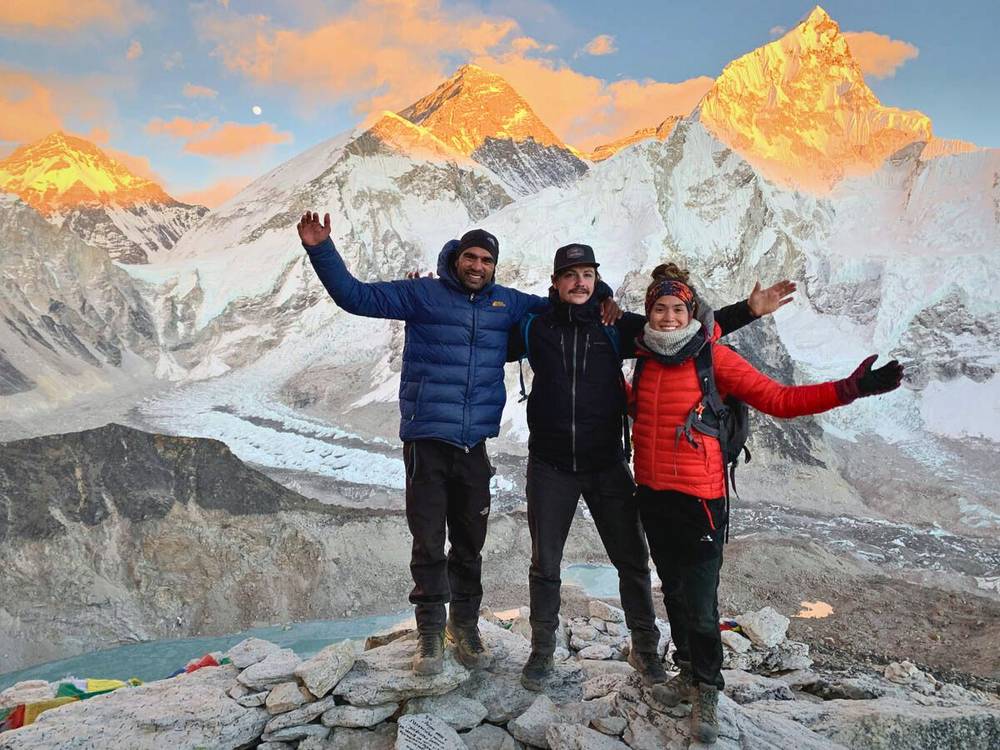
- Often climbing Kala Patthar at around 5,545 m for the big Everest view
- Basic teahouse comfort, cold mornings, and tired legs
If you can build up to back-to-back hill days, walk with a daypack, and keep going when you’re tired, the Everest Base Camp trek is realistic.
If you expect a relaxed sightseeing holiday with the occasional scenic stroll, EBC will give you a firm talking-to.
The best mindset is “prepared beginner”, not “fearless mountaineer”. You are allowed to be new to altitude. You are not allowed to pretend altitude is just a vibes problem.
---
What Actually Makes the EBC Trek Difficult?
The difficulty is not one dramatic moment. It is the slow accumulation of altitude, distance, cold, rough trail, and doing it all again tomorrow.
That’s what catches people out.
1. Altitude is the big one
Everest Base Camp sits at about 5,364 m. By the time you get close, you’re operating with much less oxygen than your body enjoys at home. Your pace slows. Sleep can get weird. Small hills feel oddly rude.
The key point: being fit does not make you immune to altitude sickness. The CDC Yellow Book guidance on high-altitude travel is clear that altitude illness risk depends more on ascent rate, altitude reached, time at altitude, and personal susceptibility than on gym fitness alone.
That is why a proper EBC itinerary includes acclimatisation days. On a typical 14-day EBC trip, there are acclimatisation stops built in, including time around Namche Bazaar and higher on the route. The point is simple: go slowly enough that your body has a chance to catch up.
2. The days keep coming
One 6-hour walk is fine. Another the next day is still fine. By day six, your legs have opinions.
EBC is not usually about one brutal mega-day. It is about repeated days on your feet, often between 5 and 8 hours, while sleeping higher and recovering less deeply than you would at home.
3. The trail is simple, not smooth
The EBC trail is a trekking trail, not a climbing route. But that doesn’t mean it is flat, tidy, or gentle.
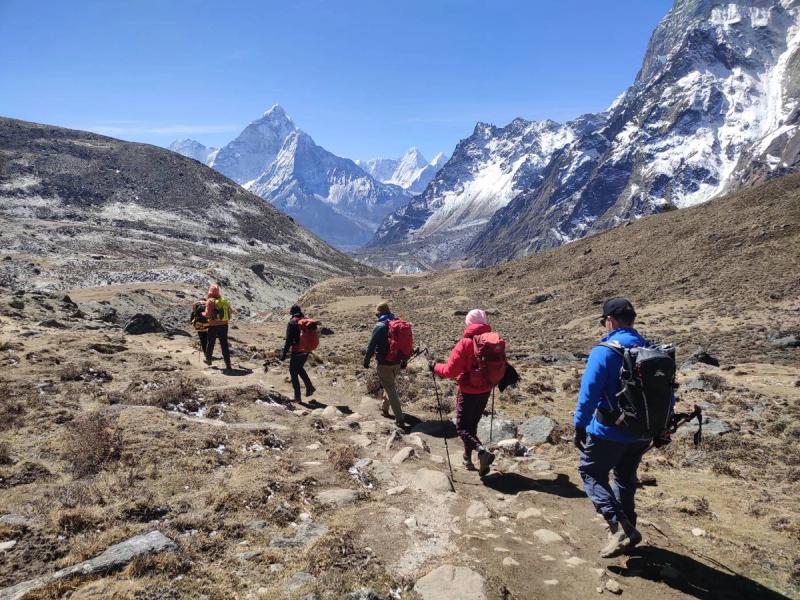
Expect stone steps, dusty paths, suspension bridges, yak traffic, river crossings, glacier moraine, and the sort of uneven ground that makes your ankles pay attention. Good boots, poles, and leg strength matter more than looking outdoorsy in a new jacket.
4. Basic comfort adds up
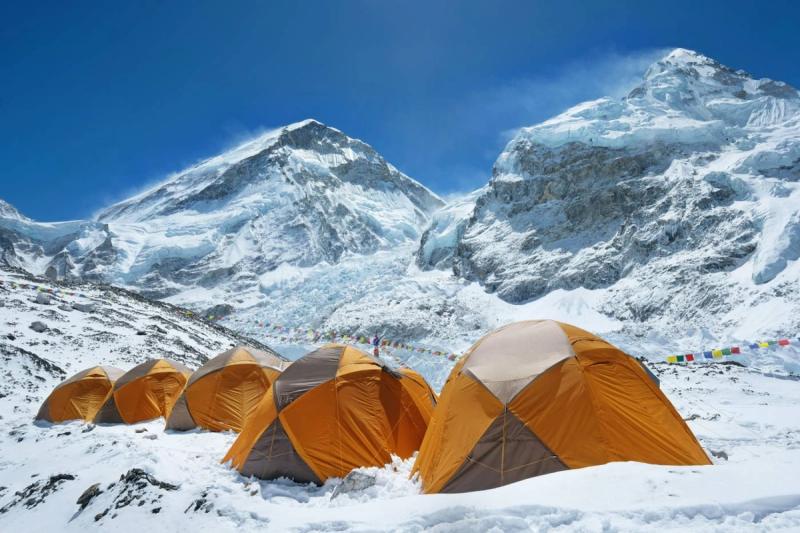
Standard EBC trekking uses teahouses. They are part of the charm, but they are not boutique hotels with mountain wallpaper.
Rooms are simple. Showers can be limited. Nights get cold. Food is hearty rather than fancy. WiFi can be patchy and usually paid for. If your idea of recovery requires Egyptian cotton and a pillow menu, this may not be your spiritual home.
5. You need patience, not speed
Fast walkers sometimes struggle because EBC rewards restraint. The right pace can feel comically slow at first.
That is not weakness. It is strategy. Charging uphill to prove your fitness is a brilliant way to become the person everyone politely waits for later.
---
Everest Base Camp Daily Distance and Altitude
Daily distances on the EBC trek look modest on paper. The altitude is what changes the maths.
A 10 km day in the Khumbu is not the same as a 10 km walk around a city park. Lovely place, fewer yaks, much thicker air.
Exact distances vary by itinerary, weather, lodge availability, and acclimatisation hikes, but this outline gives you a realistic shape of the classic route used by many EBC treks.
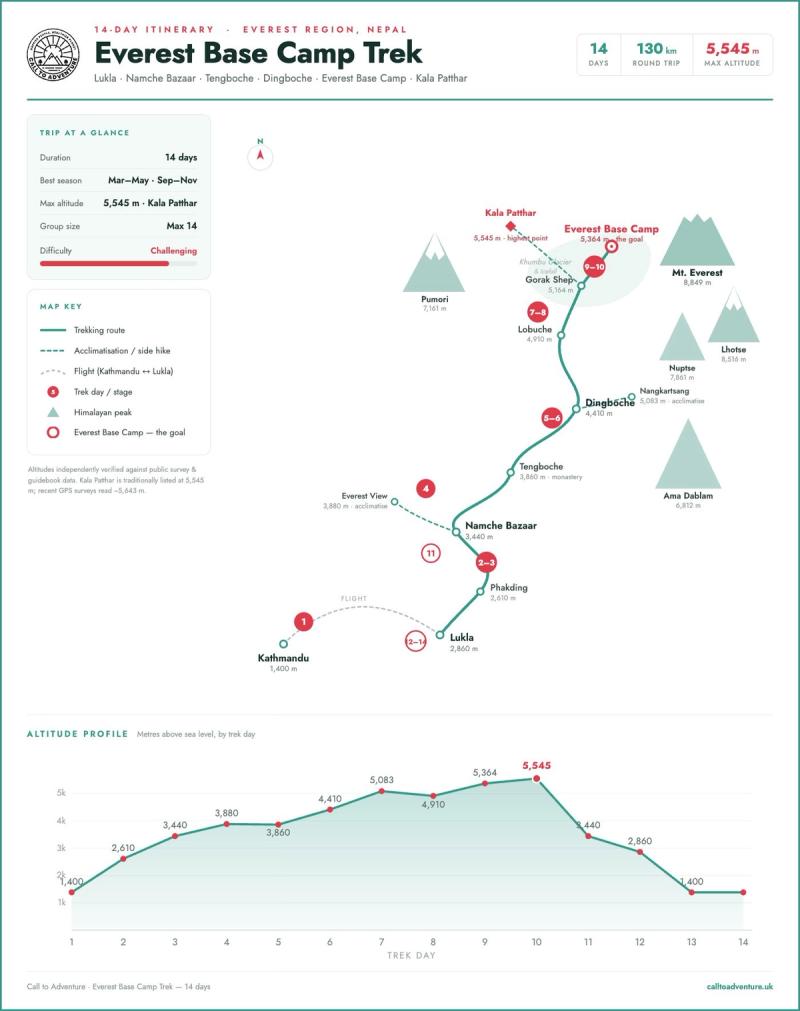
- Lukla to Phakding: 3–4 hours, ~8 km, sleep around 2,600 m. Gentle start, but travel fatigue is real.
- Phakding to Namche Bazaar: 5–7 hours, 10–11 km, sleep around 3,440 m. First properly tough climb.
- Namche acclimatisation hike: 3–5 hours, 4–8 km, hike higher, sleep lower. Shorter day, important for altitude.
- Namche to Tengboche or Deboche: 5–6 hours, 9–10 km, around 3,800 m. Rolling trail, monastery country.
- Tengboche/Deboche to Dingboche: 5–6 hours, 10–12 km, sleep around 4,410 m. Air gets noticeably thinner.
- Dingboche acclimatisation: 3–5 hours, varies, hike toward ~4,900 m. Slow, steady, and very useful.
- Dingboche to Lobuche: 5–6 hours, 8–11 km, sleep around 4,910 m. Serious altitude now.
- Lobuche to Gorak Shep and EBC: 7–9 hours, 11–15 km, EBC around 5,364 m. Long, high, emotional day.
- Kala Patthar and descent: 6–8 hours, 10–15 km, high point around 5,545 m. Early start, cold, tired legs.
- Descent days to Namche/Lukla: 5–8 hours, 12–20 km, losing altitude. Easier breathing, harder knees.
Two things jump out:
- The longest days are not wildly long by distance. They are hard because they happen high, slow, and after several days of effort.
- Descent is not a free ride. Breathing gets easier, but your knees and quads still have to get you down thousands of metres of stone steps and dusty trail.
Trekking poles are not cheating. They are common sense with wrist straps.
This also explains why EBC can feel strange to strong walkers. Early on, you may be told to slow down when you feel perfectly capable of going faster. Later, the same pace may feel like work. That is not the guide being fussy. It is the point of acclimatisation.
When choosing between itineraries, be wary of anything that looks too rushed. A shorter trek can sound efficient when you are booking annual leave. At altitude, “efficient” can become “why is my head thumping and why does this staircase feel personal?”
---
How Fit Do You Need to Be for EBC?
You do not need to be an elite athlete for Everest Base Camp. You do need to be mountain-fit.
That is a different thing.
Gym fitness helps. Running helps. Cycling helps. But none of them perfectly copy walking uphill for hours, stepping down uneven trails, carrying a daypack, then doing it again after a basic night’s sleep at altitude.
About the Author

George Beesley
Adventure Lover & Founder of Call To Adventure
George just bloody loves a bit of adventure! Imagine someone who not only hikes up mountains for breakfast but also bikes across continents. Got a case of wanderlust? This guy's been to over 50 countries and comes back with stories that'll make your grandma want to go bungee jumping.
Related Trips
Everest Base Camp Trek - 14 days
Everest Base Camp Luxury Trek - 14 days